
WordPress powers over 43% of all websites on the internet as of early 2025, and it’s no surprise that the platform continues to evolve at a rapid pace. This year is bringing a host of exciting developments – from artificial intelligence integration to new ways of building sites – all aimed at making websites more engaging, efficient, and user friendly. Keeping up with the latest trends can elevate your website by improving its performance, accessibility, and impact on your audience.
Below, we explore the top five WordPress trends in 2025 that can help take your site to the next level. These trends will not only make managing your website easier but also ensure visitors have the best possible experience.
AI‑Powered Tools and Automation
Artificial intelligence (AI) is becoming a game‑changer for WordPress websites in 2025. AI‑powered tools are now built into the WordPress ecosystem, helping to automate tasks and even create content and designs. For example, WordPress has introduced an AI‑assisted site builder that can generate layouts, page copy, and even choose stock images based on a few prompts. This means you can spin up a professional‑looking page in minutes, guided by intelligent suggestions, rather than starting from scratch.
Popular WordPress theme and page builder plugins are also embracing AI. Tools like Divi AI and Elementor AI are integrated into their page builders, allowing users to generate text, images, and even custom code through simple natural‑language commands. For content creation, there are plugins that connect WordPress to GPT‑based services, enabling you to brainstorm blog ideas or draft SEO‑friendly copy right from your dashboard. All of this automation can save you significant time and effort. What used to take hours of manual work – writing paragraphs, tweaking designs, optimising metadata – can now be accomplished in a fraction of the time with AI assistance.
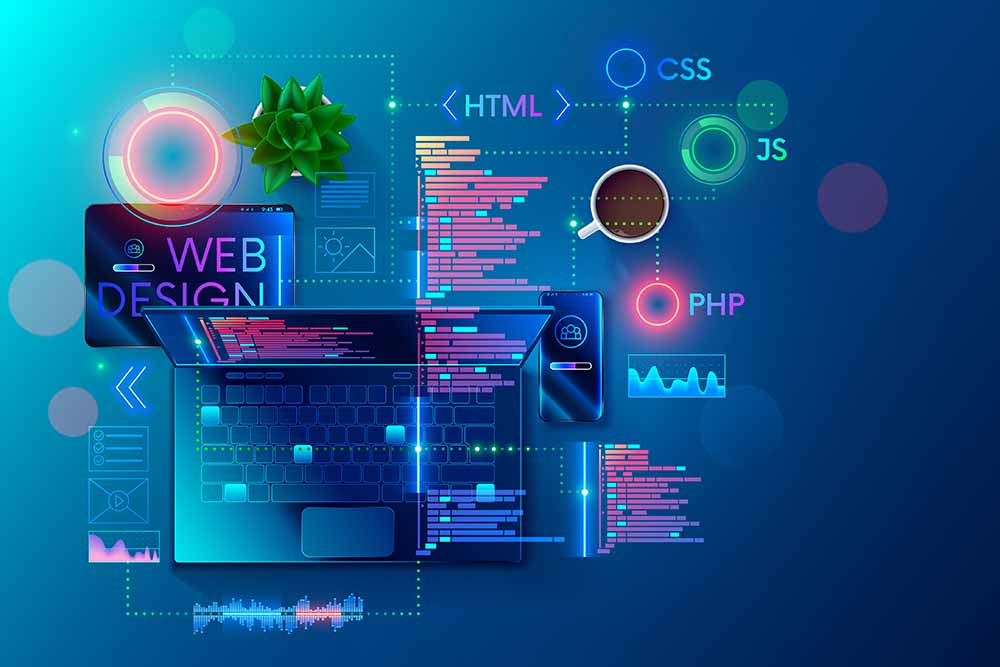
Importantly, AI isn’t just about speed; it’s also about personalisation. In 2025, more WordPress sites are using AI to tailor content to different users, such as showing product recommendations or dynamic content based on visitor behaviour. The result is a more engaging, customised experience for your audience. Embracing AI tools in WordPress gives you a competitive edge, helping you build and update your website more efficiently while delighting visitors with content that feels relevant and timely. It’s clear that AI in WordPress has moved from a novelty to a necessity for taking websites to new heights.
Full Site Editing and No‑Code Customisation
Gone are the days when making significant changes to your WordPress site required hand‑coding or developer help for every tweak. Full Site Editing (FSE) has matured in WordPress, empowering users to design and customise their entire website through an intuitive visual interface. With WordPress’s block editor (Gutenberg) and page builder plugins, you can now adjust not just page content but also global elements like headers, footers, and templates – all without writing a single line of code. This no‑code movement is making website design more accessible than ever.
Whether you’re using the native Gutenberg blocks or popular builders like Elementor and Bricks, the focus in 2025 is on flexibility and control. You can drag and drop pre‑made block patterns or sections, change your theme’s colour scheme or typography in a few clicks, and see the updates in real time. This empowers site owners to refresh their site’s look or add new landing pages on the fly, without needing a developer every time. The result is faster turnaround for updates and the ability to keep your site’s design modern and consistent.
That said, the power of no‑code tools doesn’t eliminate the need for expert guidance – especially if you have a unique vision or complex requirements. In fact, Full Site Editing opens up new possibilities that a professional can help you harness. For instance, our WordPress development team can create bespoke
block designs or custom functionalities tailored to your business, which you can then easily manage via the editor. By combining no‑code convenience with expert development for advanced features, you get the best of both worlds. Overall, embracing FSE and no‑code customisation in WordPress means you have greater creative control over your site’s appearance and structure, enabling quick improvements that elevate your website’s appeal without the usual technical hurdles.
Lightning-Fast Performance with PWAs and More
Nobody likes a slow website. In 2025, performance optimisation isn’t just a technical tweak – it’s a top trend that can make or break your site’s success. WordPress site owners are more performance-conscious than ever, focusing on faster load times, smoother browsing, and mobile-friendly experiences. One innovation gaining traction is the use of Progressive Web Apps (PWAs). PWAs allow your WordPress site to behave more like a native app – they can load quickly, even work offline, and deliver a snappy, app-like experience for users. For content-heavy or e-commerce websites, implementing PWA capabilities can significantly improve engagement and keep visitors coming back, since users enjoy the convenience of an app without needing to install anything.
Apart from PWAs, there’s a broad push towards streamlining WordPress sites for speed. This includes everything from utilising caching and Content Delivery Networks (CDNs) to optimising images and code. Many modern WordPress themes and plugins are now built with performance in mind, ensuring they’re lightweight and follow best practices for Core Web Vitals – Google’s metrics for user experience quality. There’s also a growing awareness of sustainable web design – the idea that efficient websites not only load faster but are also more energy‑efficient. It’s a win‑win: a faster site pleases your visitors and search engines, and it can even have a small positive impact on the environment by using less data and power.
For those aiming for the cutting edge, some organisations are exploring headless WordPress setups to maximise speed and flexibility. In a headless architecture, WordPress is used purely as a content manager on the back-end, while a separate front-end (often built with a JavaScript framework like React or Vue) delivers the content blazingly fast to users. While this approach is more complex, it shows how far the performance trend can go in pursuit of ultra-fast, seamless user experiences. The key takeaway for most site owners, though, is that speeding up your WordPress site – through techniques like image optimisation, caching, or even adopting PWA features – will elevate your website by reducing bounce rates and keeping visitors (and Google) happy.
Accessibility and Inclusive Design
Web accessibility has become a core focus in 2025, and WordPress is actively keeping pace with this crucial trend. An accessible website can be used by everyone, including people with disabilities or impairments – for instance, users who rely on screen readers, need keyboard navigation, or require high‑contrast visuals. Ensuring your site meets accessibility standards is not only the right thing to do; it also improves your site’s overall quality and reach. Many governments and industries now require sites to comply with specific accessibility guidelines. WordPress developers and the community have responded by improving the platform’s built‑in accessibility features and offering plugins to help site owners audit and fix issues. Recent WordPress core updates have introduced better keyboard navigation, clearer focus indicators, and enhancements that allow screen readers to interpret content more accurately.
In addition to core improvements, a range of plugins such as WP Accessibility and Accessibility Checker can be added to your site to flag common problems – like missing image alt text or insufficient colour contrast – right within your WordPress dashboard. By using these tools, you can systematically improve your site’s adherence to the Web Content Accessibility Guidelines (WCAG), making your content available to a wider audience. It’s not just large organisations pushing this trend; businesses of all sizes are recognising that accessible design leads to a better user experience for everyone. There’s another bonus: search engines love accessibility. A site that is well‑structured and accessible tends to be easier for search engine bots to crawl and understand, which can indirectly boost your SEO. In short, focusing on accessibility in 2025 elevates your website by making it welcoming to all users and signalling that you care about quality and inclusion
Optimising for Voice Search and SEO
With the rise of voice assistants like Siri, Alexa and Google Assistant, the way people search the web is changing – and websites need to adapt. Voice search optimisation has emerged as a key trend alongside traditional search engine optimisation. When users speak their queries, they tend to use more conversational, question‑based language. Smart site owners are tweaking their content to capture these natural‑language searches by incorporating conversational phrases, FAQs and concise answers to common questions directly on their site. For example, adding an FAQ section to your homepage or services page that directly answers things people often ask aloud can increase the chances that a voice assistant will pick your site as the answer.
Another important aspect of this trend is the use of structured data (schema markup). WordPress SEO plugins like Yoast, All in One SEO or Rank Math make it easier to add schema tags for your content, which help search engines understand the context of your information. This is particularly useful for voice search, where the system tries to provide a single, precise answer. Marking up your opening hours, reviews or product information in a structured way can help your site be the one that gets read aloud. Optimising for voice search goes hand‑in‑hand with optimising for local search – voice queries often include ‘near me’ or are location specific, so ensure your WordPress site’s local SEO is on point.
It’s worth noting that SEO in general remains as important as ever. Great content, smart keywords and quality backlinks are still fundamental to getting your site noticed on traditional search results. What’s new is that best practice increasingly accounts for multiple ways people search – typing, voice and maybe even visual search. Keeping your site’s SEO up‑to‑date can be challenging, but you’re not alone. Using reputable SEO plugins is a start, and seeking guidance from professionals can provide an extra edge. For expert help, our SEO team can ensure your website is fully optimised for both text and voice searches, helping more potential customers find you. By tuning your website for how people search today, you’ll stay ahead of the curve and make it easier for your audience to connect with you.
Staying on top of these WordPress trends in 2025 will help keep your website vibrant, user‑friendly and competitive. From AI‑powered enhancements that save you time, to no‑code design tools that put you in control, to performance, accessibility and SEO improvements – each trend offers a way to elevate your website and delight your visitors. Adopting even a couple of these ideas can make a noticeable difference in how your site functions and how your brand is perceived online.
Implementing new features or approaches might feel daunting at first, but remember that you don’t have to go it alone. At 4D Digital, we stay ahead of the curve so you don’t have to. Our team is here to assist, whether you want to integrate the latest WordPress capabilities or need guidance on the best strategy for your site. Ready to take your website to the next level – Get in touch with us today – we can help you harness the best of WordPress in 2025 and ensure your online presence grows from strength to strength.